How Many Days in Milan? A 3-Day Plan, Costs and Day Trips

The short answer
How many days in Milan you need is two for the city itself: one for the Duomo, the Galleria and Brera, one for the Last Supper, the Castello Sforzesco and the Navigli. Add a third day for Lake Como or Bergamo, both about an hour away by train. Book the Last Supper before anything else, because it sells out weeks ahead.
Milan is often treated as an airport with a cathedral attached, a night on the way to the lakes or to Venice. That undersells it, though the city’s big sights fit into a shorter stay than Rome or Florence need. The real constraint is one booking: Leonardo’s Last Supper admits 40 people at a time for 15 minutes.
This guide sets out a three-day plan, the 2026 ticket and transport prices, where to stay by neighbourhood, the best months and the day trips that work by train. Every price was checked against the venue’s, the transport operator’s or the city’s own site in October 2026.
Before you book: what to sort out first
- Entry rules. Italy is in the Schengen area, so US, UK and Canadian passport holders can visit for up to 90 days in any 180 without a visa. The EU’s Entry/Exit System now records fingerprints at the first border, and ETIAS is due in late 2026. Other nationalities should check the visa requirements by country. For the whole country, including routes that combine several cities, see how many days in Italy.
- The Last Supper. Reservations are compulsory for every ticket, sales open in blocks months ahead, and each person can buy at most five tickets a year. Tickets for September to December 2026 went on sale on 23 June. Fix this slot first and build the rest of the trip around it.
- Mondays. The Last Supper museum, the Castello Sforzesco museums and the Pinacoteca di Brera all close on Mondays. Do not plan your one museum day for a Monday.
- Paper tickets are gone. Since 1 January 2026, ATM no longer sells or accepts paper tickets on Milan’s metro, trams and buses. Tap a contactless bank card or phone at the gate, or use the ATM app.
- Travel insurance. Pickpocketing in crowded metro stations is the realistic risk; see whether travel insurance is worth it before you go.
- A data plan. Museum bookings, train tickets and the metro all live on your phone; check which iPhones support eSIM before you buy one.
How many days in Milan do you need?
Two days covers the city; three lets you add a lake or a hill town without rushing. One day is possible if you are passing through, but you will have to pick between the Duomo and the Last Supper unless you hold a booking.
| Days | What you see | Who it suits |
|---|---|---|
| 1 | Duomo, Galleria, Brera | A stop between trains |
| 2 | Add Last Supper, Castello | City-only trips |
| 3 | Add Lake Como or Bergamo | Most first visits |
| 4-5 | Add Verona or Turin | A Milan base |
Four or five days suits a Milan base for northern Italy: fast trains reach Turin in about an hour and Verona in a little over one.
A day-by-day Milan itinerary
The plan assumes you hold a Last Supper booking for the morning of day two. If your slot falls on another day, swap days one and two; nothing else depends on the order.
Day 1: The Duomo, the Galleria and Brera
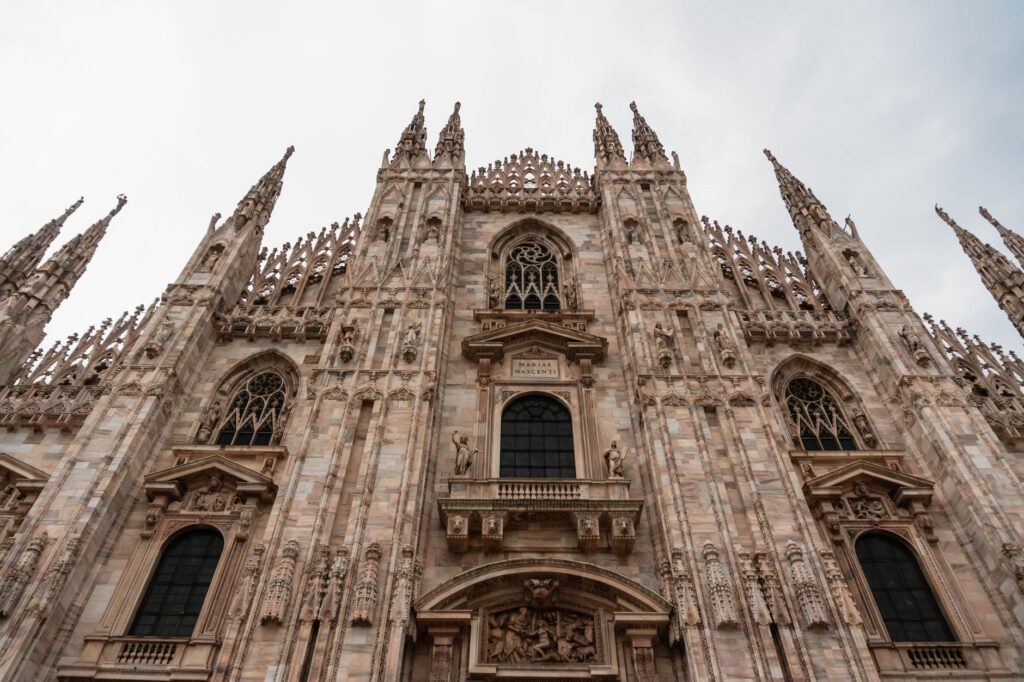
- Start at the Duomo when it opens at 9:00 and climb to the rooftop terraces first, before the queues build. The stairs are 251 steps; the lift costs more and still leaves the second level on foot.
- Walk through the Galleria Vittorio Emanuele II to Piazza della Scala, and visit the Museo Teatrale alla Scala, which opens daily from 9:30 to 17:30.
- Spend the afternoon at the Pinacoteca di Brera (last entry 18:00), then stay in the Brera streets for the evening.
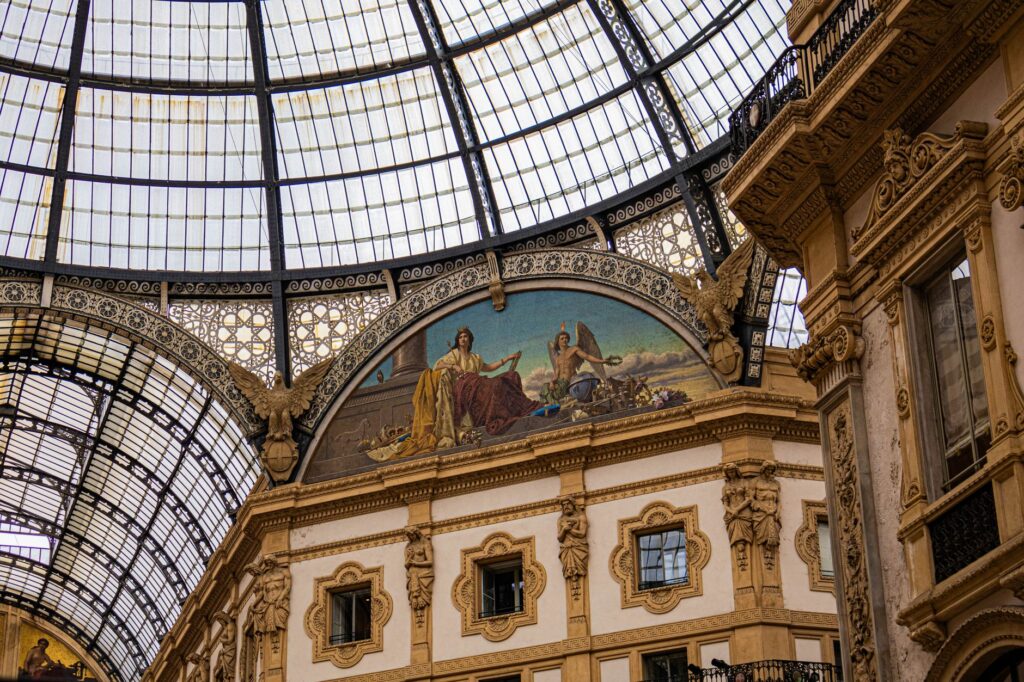
Day 2: The Last Supper, the Castello and the Navigli
- Collect your Last Supper ticket at Santa Maria delle Grazie at least 30 minutes before your slot. The visit itself lasts 15 minutes.
- Walk to the Basilica of Sant’Ambrogio, then north to the Castello Sforzesco. The courtyards are free; the museums inside cost EUR 10 and close at 17:30.
- Cross the Parco Sempione behind the castle, then take the metro to Porta Genova for an evening along the Naviglio Grande canal.
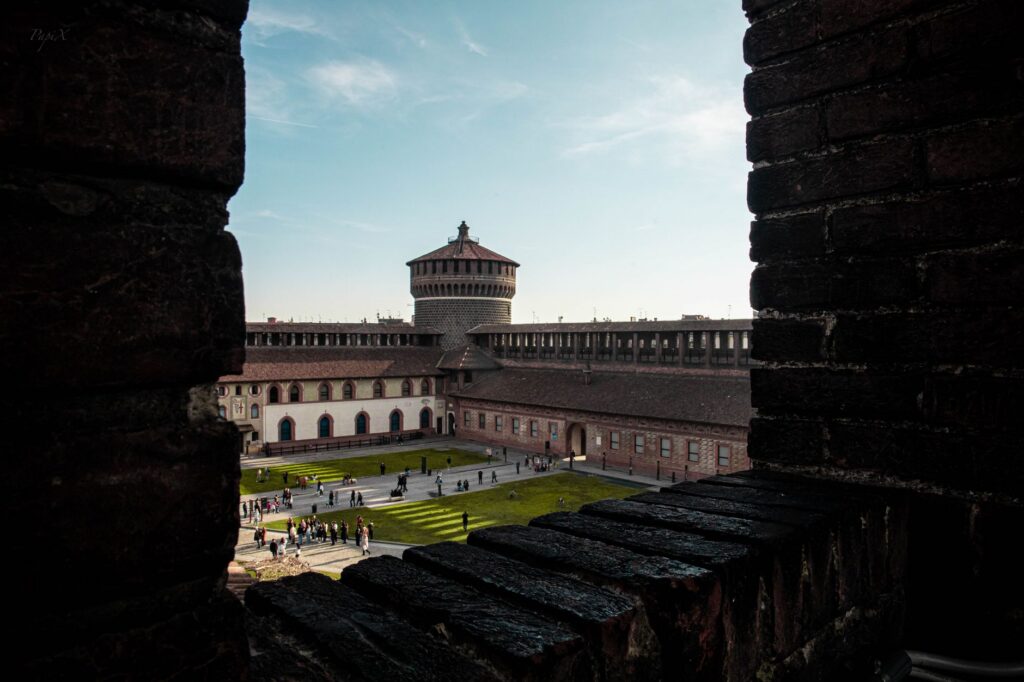
Day 3: Lake Como or Bergamo
- For the lake, take the hourly Trenord train from Milano Centrale to Varenna, about 64 minutes, and the ferry across to Bellagio.
- For Bergamo, take the train from Centrale, about 48 minutes, and ride the funicular up to the walled Città Alta.
- Be back in Milan for dinner, and check the time of the last train back before you set out.
Things to do in Milan, and what they cost in 2026
The cathedral, the Last Supper and the main museums are all ticketed; the Galleria, the castle courtyards and the Monumentale cemetery are free.
| Ticket | Adult price, 2026 |
|---|---|
| Duomo and Duomo Museum | EUR 10 |
| Duomo terraces, stairs | EUR 16 |
| Combo Stairs (Duomo, terraces, museum) | EUR 22 |
| Last Supper, booking required | EUR 15 |
| Grande Brera | EUR 20 |
| Castello Sforzesco museums | EUR 10 |
| Museo Teatrale alla Scala | EUR 12 |
The Duomo’s combo tickets are valid for two days, the day you choose and the next, so you can see the cathedral on day one and the museum later.
On Wednesdays the Duomo Museum is closed and the cathedral ticket drops to EUR 8. The Duomo says service and pre-sale fees were removed in April 2025, so the price is the same online and at the desk.
The Last Supper costs EUR 2 for visitors aged 18 to 25 and is free under 18, but everyone needs a booked, named ticket. Tickets cannot be changed or refunded once bought.
Note: The Castello Sforzesco museums are free for everyone on the first Sunday of the month, and the Cimitero Monumentale is free to walk in from Tuesday to Sunday, 8:00 to 18:00.
How much does a day in Milan cost?
The core of day one comes to EUR 36.60 for one adult before your room and food: the Duomo combo, a 24-hour transport ticket and one night of city tax at a three-star hotel. Add EUR 12 for the Scala museum and EUR 20 for Brera if you do both.
| Item | Adult price, 2026 |
|---|---|
| Combo Stairs, Duomo | EUR 22 |
| ATM 24-hour ticket | EUR 7.60 |
| City tax, three-star hotel | EUR 7 |
Day two adds EUR 15 for the Last Supper and EUR 10 for the Castello museums. If you only ride the metro twice a day, single tickets at EUR 2.20 (valid 90 minutes) cost less than the 24-hour pass; the three-day ticket costs EUR 15.50.
Where to stay in Milan
Pick a base by the station you will use most: the trains to the lakes and Bergamo leave from Centrale, and the Malpensa Express stops at Centrale and Cadorna.
| Area | Best for | Trade-off |
|---|---|---|
| Duomo | Walking to the sights | Crowds day and night |
| Brera | Evenings, Pinacoteca | Few large hotels |
| Centrale | Day trips, Malpensa | Busy, less charm |
| Garibaldi, Isola | M2/M5 metro, trains | Modern, not historic |
| Navigli | Canal-side evenings | Further from Centrale |
Centrale suits a three-day plan with a lake or Bergamo day. Brera (M2 Lanza) suits a city-only trip, with the Pinacoteca and the evening streets on the doorstep. Porta Garibaldi has its own station and two metro lines, and the Isola district behind it has quieter streets around the Bosco Verticale towers.
Milan’s city tax changed again on 1 April 2026. Per person per night, it is EUR 7 at three stars, EUR 10 at four and EUR 12 at five; B&Bs, holiday flats and short-term rentals pay EUR 9.50. Under-18s are exempt.
This guide gives no hotel prices, because rates move with the trade-fair calendar and we found no official, dated source to cite.
Is Milan worth visiting?
Yes, for two or three days. The Duomo is one of the largest Gothic cathedrals anywhere, and its rooftop puts you among the spires. The Last Supper is the reason many people come at all, and Brera holds one of Italy’s great painting collections.
What Milan is not is a slow, picturesque old town in the way of Florence or Venice. It is a working financial and fashion capital, and the pace shows. If you want canals and bridges, give those days to Venice; if you want a base with fast trains in every direction, Milan does that better than anywhere else in the north.
When is the best time to visit Milan?
April to June and September to October are the best months, warm enough to walk without the heat of high summer. NOAA’s 1991-2020 normals for Linate airport put the average July high at 31°C (88°F) and the January high at 7°C (45°F).
| Months | Average high | What to expect |
|---|---|---|
| Nov to Feb | 7-12°C | Cold, fog, wettest November |
| Mar to Apr | 16-19°C | Mild, design week in April |
| May to Jun | 24-28°C | Warm, long evenings |
| Jul to Aug | 30-31°C | Hot and humid |
| Sep to Oct | 19-26°C | Settled, good walking |
November is the wettest month at Linate, about 112 mm of rain against 36 mm in January. July and August are humid, and nights stay warm in the city.
What is the cheapest time to visit Milan?
Milan’s room prices follow its trade fairs more than the seasons, so the cheapest week is one without a big event at the Fiera.
- Avoid design week. The Salone del Mobile runs from 13 to 18 April 2027, and the city fills for the whole week around it. Check the fair calendar before you fix your dates.
- Late January to February, and November. Outside the fairs, these are the quietest months, at the cost of cold and fog or rain.
- City tax does not change by season. It is set per night by hotel category, so a cheaper room does not lower it.
Day trips from Milan
Milan sits at the centre of the northern rail network, which is the main reason to base yourself here. All times below are from Milano Centrale.
| Trip | Journey time | Good for |
|---|---|---|
| Como San Giovanni | About 40 min, Trenord | The lake, no ferry |
| Bergamo | About 48 min, Trenord | The walled upper town |
| Varenna | About 64 min, Trenord | Lake Como, Bellagio ferry |
| Turin | 1 hr 2, Frecciarossa | Museums, a second city |
| Verona | From 1 hr 10, Frecciarossa | Arena, old town |
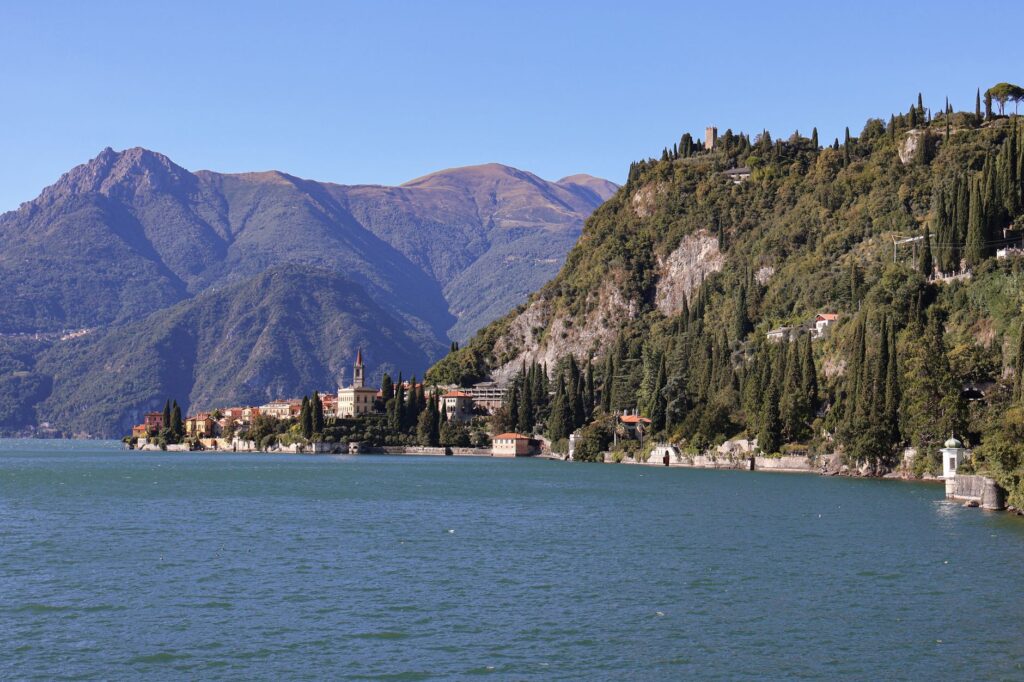
Trenord fares started from EUR 5.40 to Como, EUR 6.30 to Bergamo and EUR 7.40 to Varenna at the time of writing, and those trains need no reservation. From Varenna, the car ferry runs across to Bellagio, Cadenabbia and Menaggio; its autumn timetable runs to 1 November 2026.
Milan is also the start of most Italy trips. The Frecciarossa reaches Florence in 1 hour 54, Venice in 2 hours 27 and Rome in 2 hours 50. See our guides to how many days in Florence, how many days in Venice and how many days in Rome. For the mountains, how many days in the Dolomites covers the routes in from Verona and Venice.
Getting to Milan from the airports
- Malpensa. The Malpensa Express costs EUR 15 one way and takes about 51 minutes to Centrale, or about 38 minutes to Cadorna from Terminal 1. A return within 30 days costs EUR 25.
- Linate. The M4 metro line runs from the airport to San Babila, in the centre, in about 12 minutes on an ordinary EUR 2.20 ticket.
- Bergamo (Orio al Serio). Low-cost flights use this airport; it is closer to Bergamo than to Milan, which makes Bergamo an easy first or last day.
What goes wrong on a Milan trip
- Turning up for the Last Supper without a booking. There is no queue to join; reservations are compulsory and slots sell out.
- Arriving late for the Last Supper slot. You must collect the ticket 30 minutes before, or lose it.
- Planning museums on a Monday. The Last Supper, Brera and the Castello museums are all shut.
- Booking during a big fair without checking. Room prices jump during design week and other major Fiera events.
- Buying a paper metro ticket. They were withdrawn on 1 January 2026; tap a card instead.
If your plan falls apart on the day
- Missed the Last Supper booking? Watch the official sales site for the next free-admission Sunday: those tickets are released online at noon on the previous Wednesday.
- Rain all day? Keep to the Duomo, the Galleria, Brera and the Scala museum, all a short walk apart.
- Duomo terraces closed for weather? Swap to the Duomo Museum, and try the roof the next day: the combo ticket covers two days.
- A Monday with nothing open? Go to the lake or Bergamo that day instead.
Frequently asked questions
In short
Two days in Milan covers the Duomo, Brera, the Last Supper and the Castello; a third adds Lake Como or Bergamo by train. Book the Last Supper first, avoid Mondays for museums and design week for hotels, and stay near Centrale if you plan day trips.
Prices, opening hours and rules change without much notice. Everything here was checked against official sites in October 2026. If something no longer matches what you found on the ground, tell us and we will correct it.
Planning the flight? Our guides to checked bags on international flights and the carry-on luggage checklist cover what to pack, and how many days in Japan uses the same approach for a longer trip.
Sources
- European Commission: The Entry/Exit System became fully operational on 10 April 2026
- European Union: ETIAS, travel authorisation for visa-exempt visitors
- Duomo di Milano: Access updates, ticket prices and fees and special opening hours 2026
- Museo del Cenacolo Vinciano: Tickets, booking and hours and September-December 2026 ticket sales
- Castello Sforzesco: Hours, tickets and free days (in Italian)
- Pinacoteca di Brera: Tickets and hours
- Museo Teatrale alla Scala: Tickets and opening times
- Comune di Milano: Cimitero Monumentale, opening hours (in Italian)
- ATM: How to get around Milan by public transport and ATM fares, January 2026 (PDF, in Italian)
- ATM: M4 line, San Cristoforo-Linate
- Comune di Milano: City tax rates from 1 April 2026 (PDF, in Italian) and exemptions (in Italian)
- Malpensa Express: Tickets and Milano Centrale-Malpensa route
- Trenord: Malpensa T1-Milano Cadorna, Milano Centrale-Varenna, Milano Centrale-Bergamo and Milano Centrale-Como
- Trenitalia: Frecciarossa connections to Milan (in Italian) and to Verona (in Italian)
- Navigazione Laghi: Lake Como autumn timetable 2026 (PDF)
- Salone del Mobile.Milano: 2027 dates
- NOAA: Climate normals 1991-2020 for Milan Linate, via Wikipedia’s Milan weather box
- Featured photo: Alejandro Aznar on Pexels. Inline photos: Arlind D, Imad Amara Henda and C1 Superstar on Pexels.