How Many Days in Hiroshima? A 2-Day Plan, Costs and Day Trips

The short answer
How many days in Hiroshima you need comes down to Miyajima: two full days is the right answer for most trips, one for the Peace Memorial Park and one for the island. A third day adds Iwakuni, Kure or a slower look at the city. Stay near Hiroshima Station or Hatchobori, and travel in spring or autumn.
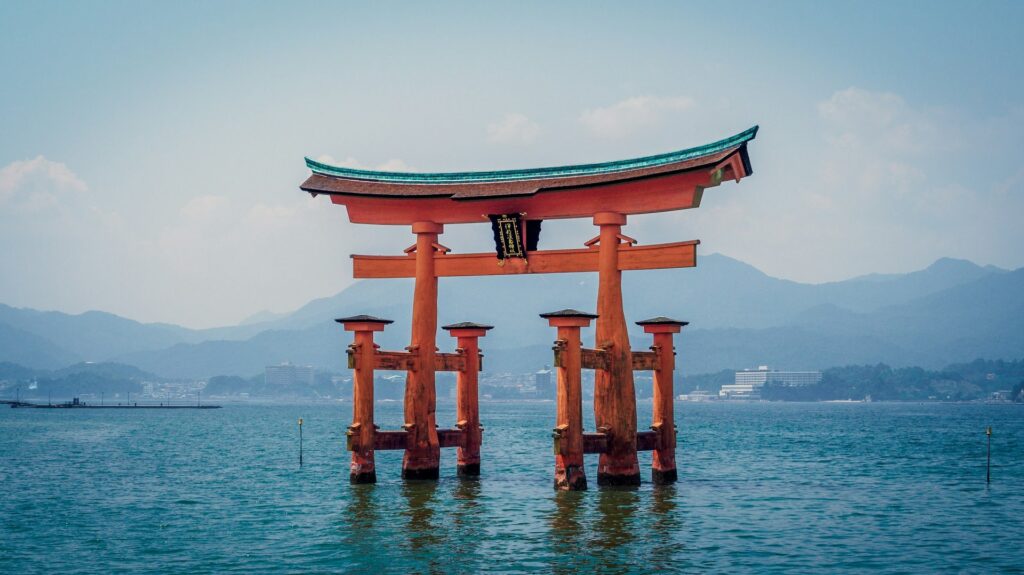
Many rail itineraries give Hiroshima a single day between Osaka and Fukuoka. The city itself is compact, but Miyajima, the island with the floating torii gate, needs a day of its own.
This guide sets out a two-day plan with an optional third, the 2026 ticket prices, the new prefectural hotel tax, where to stay and the day trips that justify another night. Every price was checked against the venue’s own site in October 2026.
Before you book: what to sort out first
- Entry rules. US and UK passport holders can visit Japan without a visa for up to 90 days as tourists, according to Japan’s Ministry of Foreign Affairs. Other nationalities should check the visa requirements by country first. Rail passes, holiday weeks and routes that join the cities are in our guide to how many days in Japan.
- Departure tax. Japan’s International Tourist Tax rose from ¥1,000 to ¥3,000 per departure on 1 July 2026. Airlines usually add it to the fare.
- A data plan. Live maps make the streetcar network far easier; check which iPhones support eSIM before you buy one.
- Travel insurance. Check what your policy pays for medical care in Japan; see whether travel insurance is worth it.
- Your route in. Most visitors arrive by shinkansen: about 1 hour 25 minutes from Shin-Osaka on a Nozomi, and roughly four hours from Tokyo.
How many days in Hiroshima do you need?
Two full days is the comfortable answer for a first visit. One day only works if you skip Miyajima or rush both halves, and the Peace Memorial Museum alone deserves two to three hours.
| Days | What you see | Who it suits |
|---|---|---|
| 1 | Peace Memorial Park and museum | A stop on a rail pass |
| 2 | The above plus Miyajima | Most first visits |
| 3 | Add Iwakuni, Kure or the gardens | Slower travellers |
| 4-5 | Add Onomichi or Okunoshima | A western Japan base |
The second day matters most. Miyajima’s tide, its ropeway and the walk up Mount Misen do not fit around a museum visit without rushing all of them.
A day-by-day Hiroshima itinerary
Each day keeps to one area, so you spend the time walking rather than changing lines.
Day 1: Peace Memorial Park and the city centre
- Reach the Hiroshima Peace Memorial Museum early. It opens at 7:30, but entry before 8:30 needs an online reservation.
- Walk the park to the Children’s Peace Monument and the Atomic Bomb Dome, which you see from outside.
- In the afternoon, cross to Shukkeien garden, then the grounds of Hiroshima Castle.
Day 2: Miyajima
- Take the JR train to Miyajimaguchi, about 30 minutes from Hiroshima Station, then the ferry, about 10 minutes.
- Visit Itsukushima Shrine, timing the torii for high tide if you want it to look like it floats.
- Ride the Miyajima Ropeway towards Mount Misen; its last car down leaves at 16:30.
Day 3: a slower day or a day out
- Pick Iwakuni for the Kintaikyo wooden bridge, or Kure for the Yamato Museum.
- If you stay in the city, spend the morning at Shukkeien and the evening at Orizuru Tower’s rooftop deck.
What Hiroshima costs: tickets and passes in 2026
Hiroshima’s main sight is also its cheapest. The Peace Memorial Museum charges adults ¥200, high school students ¥100, and younger children nothing.
| Ticket | Adult price, 2026 |
|---|---|
| Peace Memorial Museum | ¥200 |
| Shukkeien garden | ¥350 |
| Orizuru Tower deck | ¥2,200 |
| Streetcar, single ride | ¥240 |
| Streetcar 1-day pass | ¥700 |
| Streetcar and ferry 1-day pass | ¥1,000 |
Shukkeien went up to ¥350 for adults, and since 14 April 2025 school-age visitors enter free. Many guides still quote the old ¥260. The streetcar and ferry pass includes Miyajima’s visitor tax, but it is not valid on JR trains.
What a Miyajima day costs
The island adds up in small amounts. The JR ferry is ¥180 each way for adults, and the island charges a separate ¥100 visitor tax, collected when you board at Miyajimaguchi.
| Item | Adult price, 2026 |
|---|---|
| JR ferry, return | ¥360 |
| Miyajima visitor tax | ¥100 |
| Itsukushima Shrine | ¥300 |
| Miyajima Ropeway, return | ¥2,000 |
That is ¥2,760 before the train from Hiroshima and food. A Japan Rail Pass or JR West pass covers the ferry crossings but not the visitor tax.
Hiroshima’s hotel tax since April 2026
Hiroshima Prefecture started charging a hotel tax on 1 April 2026. It is ¥200 per person per night when the room rate is ¥6,000 or more, and nothing below that.
The rate is the room-only price, including service charges but excluding meals and consumption tax. It applies across the prefecture, including inns on Miyajima, and is usually paid at check-in.
Where to stay in Hiroshima
Three areas suit most visits, and a fourth suits one specific plan.
| Area | Best for | Trade-off |
|---|---|---|
| Hiroshima Station | Shinkansen, airport bus | Streetcar ride to the park |
| Hatchobori, Hondori | Food, evenings, shopping | Further from JR |
| Peace Park, Nakajima | Walking to the museum | Quiet at night |
| Miyajima | The island after day-trippers leave | Ferry to everything else |
Hiroshima Station is the practical choice if you are moving on by shinkansen or taking the limousine bus from Hiroshima Airport, which costs ¥1,500. Hatchobori suits travellers who want restaurants on the doorstep. One night on Miyajima is worth it only if the evening shrine is the point of the trip.
Is it worth visiting Hiroshima?
Yes, for most travellers to Japan. The Peace Memorial Museum tells the story of 6 August 1945 through the belongings of people who were in the city that morning.
The trip is not only a sombre one. Miyajima is one of Japan’s best-known views, and the city’s streets and okonomiyaki counters are lively. If you are short of time, it is the place to give two days rather than a rushed one, as the Osaka guide explains for the Kansai side of the trip.
When is the best time to visit Hiroshima?
Spring and autumn are the most comfortable months. Japan Meteorological Agency averages for 1991 to 2020 put Hiroshima’s August daily high at 32.8°C (91°F) and its January high at 9.9°C (50°F).
| Months | Average high | What to expect |
|---|---|---|
| Late Mar to early Apr | 15-20°C | Cherry blossom, busy |
| Jun to mid-Jul | 27-31°C | Rainy season; July is wettest |
| Aug | 33°C | Hot, 6 August ceremony |
| Oct to Nov | 18-24°C | Mild, autumn colour |
| Jan to Feb | 10-11°C | Coldest, lowest demand |
The agency’s sample cherry tree in Hiroshima flowers on 25 March on average and reaches full bloom on 3 April. In 2026 it flowered on 19 March and peaked on 30 March.
What is the cheapest time to visit Hiroshima?
January and February are usually the cheapest, once the New Year week is over. Demand is lowest then, though the museum closes for about a week in mid-February to change exhibits; in 2027 that is 15 to 20 February.
- Avoid Golden Week. Japan’s public holidays on 29 April and 3 to 5 May push up domestic travel and room rates.
- Expect crowds around 6 August, the anniversary of the bombing, when the museum stays open later.
- Accept the rain in June. The Chugoku rainy season normally runs from about 6 June to 19 July; in 2026 it ran from 2 June to 9 July.
This guide gives no hotel prices, because rates move daily with demand.
Day trips from Hiroshima worth an extra day
Miyajima is the obvious one and belongs in any two-day plan. These four fill a third day or more.
| Day trip | From Hiroshima | What it is |
|---|---|---|
| Iwakuni | About 50 min, JR | Kintaikyo wooden bridge |
| Kure | About 45 min, JR Kure Line | Yamato Museum, naval port |
| Onomichi | About 90 min, JR | Hillside temples, cycling |
| Okunoshima | Train, then ferry | The rabbit island |
Kintaikyo’s bridge toll rose to ¥500 for adults on 1 September 2026, and a set ticket with the ropeway and Iwakuni Castle costs ¥1,550. Kure’s Yamato Museum reopened in 2026 after a renovation that closed it from February 2025.
What goes wrong on a Hiroshima trip
- The castle keep is closed. Hiroshima Castle’s main keep shut in March 2026 over concrete deterioration; you can still see it from outside, and the Ninomaru buildings are free.
- Museum queues. Same-day tickets can take a while to buy, and the museum may limit entry when it is crowded.
- Low tide surprises. The torii only appears to float at high tide, so check the tide table before you choose your hour.
- A late ropeway. It runs from 9:00 to 16:00, with the last descent at 16:30.
If your plan falls apart on the day
- Swap the days if rain is forecast, putting the museum on the wet day and Miyajima on the dry one.
- Book the early museum slot online if the queue is long; 7:30 to 8:30 entry needs a reservation.
- Pay by IC card on the ferry and streetcar to skip the ticket machines.
- Ask the tourist information office at Hiroshima Station for closures and routes.
Frequently asked questions
In short
Two full days in Hiroshima covers the Peace Memorial Park and Miyajima, one is a rush, and a third adds Iwakuni, Kure or the gardens. Stay near the station for trains or in Hatchobori for evenings, and go in spring or autumn for the weather or January and February for the prices.
Prices, opening hours and rules change without much notice. Everything here was checked against official sites in October 2026. If something no longer matches what you found on the ground, tell us and we will correct it.
Travelling on from Hiroshima? Our guides to how many days in Kyoto and how many days in Tokyo cover the rest of the shinkansen line, and checked bags on international flights covers the allowance you will be flying with.
Sources
- Ministry of Foreign Affairs of Japan: Exemption of Visa (Short-Term Stay)
- National Tax Agency: International Tourist Tax
- Hiroshima Prefectural Government: Accommodation tax (in Japanese)
- Hiroshima Peace Memorial Museum: Hours and admission
- Hiroshima Castle: Main keep closure notice (in Japanese)
- Shukkeien: Opening hours and admission (in Japanese)
- Hiroshima Orizuru Tower: Tickets
- Hiroshima Electric Railway: Streetcar fares and 1-day passes
- Hiroshima Airport: Limousine bus fares and timetables
- JR West Miyajima Ferry: Fares
- Itsukushima Shrine: Admission
- Miyajima Ropeway: Hours and fares (in Japanese)
- JR West: Kansai-Hiroshima Area Pass
- Hiroshima Prefecture tourism board: JR Miyajimaguchi Station
- Iwakuni City: Kintaikyo bridge toll (in Japanese)
- Kure City: Yamato Museum renovation schedule
- Takehara Tourism: Okunoshima
- Japan Meteorological Agency: Hiroshima climate normals, 1991-2020
- Japan Meteorological Agency: Cherry blossom flowering dates and full-bloom dates
- Japan Meteorological Agency: Chugoku rainy season dates
- Cabinet Office: National holidays
- Featured photo: Nicki Eliza Schinow on Unsplash